Ditch the Canned AI Feel! A New Content-Marketing Mindset: Writing High-Ranking Articles With a Soul Using AI
As search engines evolve, plain AI-generated content no longer earns traffic. Learn to combine your own perspective with AI’s horsepower to create high-converting, AI-detection-proof, SEO-friendly content.

The Content Marketing Battlefield Has Changed
When anyone can generate an article with one AI click, "content overload" becomes the biggest problem. In 2026, search engines (like SearchGPT and Google) care far more about E-E-A-T (Experience, Expertise, Authoritativeness, Trust). The key is no longer "how to produce content," but "how to make AI write articles that don't read like AI wrote them."

No More Stiff Writing: Advanced 2026 Prompt Strategies
1. Feed it a "tone sample" (style transfer)
Don't just tell the AI to "be funny." Give it 3 articles you wrote yourself and say: "Analyze the word choices, sentence lengths and emotional rhythm of these pieces, and write in this style." This makes the output match Zeona Studio's brand voice perfectly.
2. Cite real data and cases (using RAG)
In 2026, AI still hallucinates easily. The right move is to first upload the industry reports or observed data you've gathered (for example, the latest figures on the Japan proxy-buying market), then change the prompt to: "Write only based on the provided material, and add your professional insight to each paragraph."
3. Add "opposing views" and "unique experience"
SEO algorithms now filter out cookie-cutter opinions. As you write, ask the AI to include: "Although the mainstream view holds that A is right, in my hands-on experience B is actually more effective…" — this kind of first-hand content is the most favored.
The Four Dimensions of High-Converting SEO Articles
Dimension 1: Problem-driven titles and structure
In 2026, people lean more on voice search. Titles should solve a specific problem directly — for example, "How do I avoid the shipping-fee traps in Japan proxy buying?" rather than a vague "Proxy Buying Guide."
Dimension 2: Multimodal layout
An article can't be text only. Using AI to generate charts, infographics and even short-video scripts, then embedding them in the piece, dramatically increases time on page.
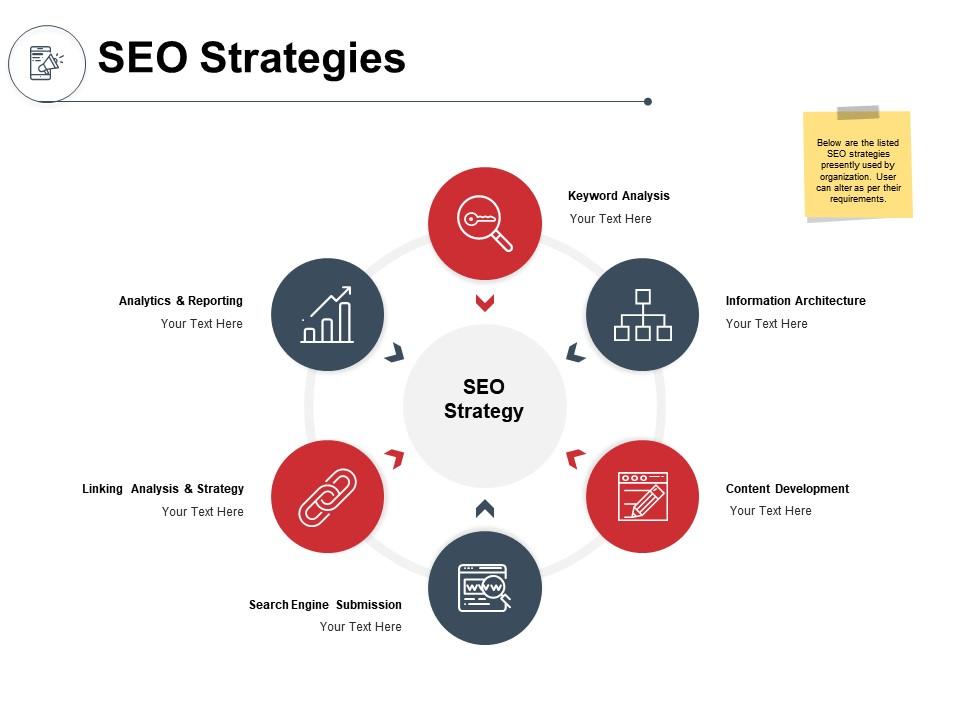
Dimension 3: Smart internal-link optimization
Use AI to analyze every existing article on your site and automatically surface the most relevant links to build internal linking. This benefits SEO and lowers your bounce rate.
Dimension 4: AI-detection-proof human polish (human-in-the-loop)
The final 10% of polishing must be done by a human. Add your current mood, the local weather or a small thing that just happened — that 10% is what makes your article stand out in 2026.
Content Calibration Checklist
- Fact-check: Do the figures have sources? Did the AI fabricate laws that don't exist?
- Brand consistency: Does the piece fit our "professional but warm" style?
- Call to action (CTA): Does the ending guide the reader to a next step? (e.g., inquiring about automation services)
- Visual punch: Does it include high-quality images and easy-to-read bullet lists?
Conclusion: Let AI Be Your Pen, Not Your Brain
The heart of content creation will always be "ideas." AI is your powerful brush that fills in the details, but you must decide the composition of the canvas. Master the logic of AI writing in 2026 and you'll be able to take on an entire traditional editorial team single-handedly.


